From Scarcity to Solutions: Food-Water Innovation in Asia and the Middle East


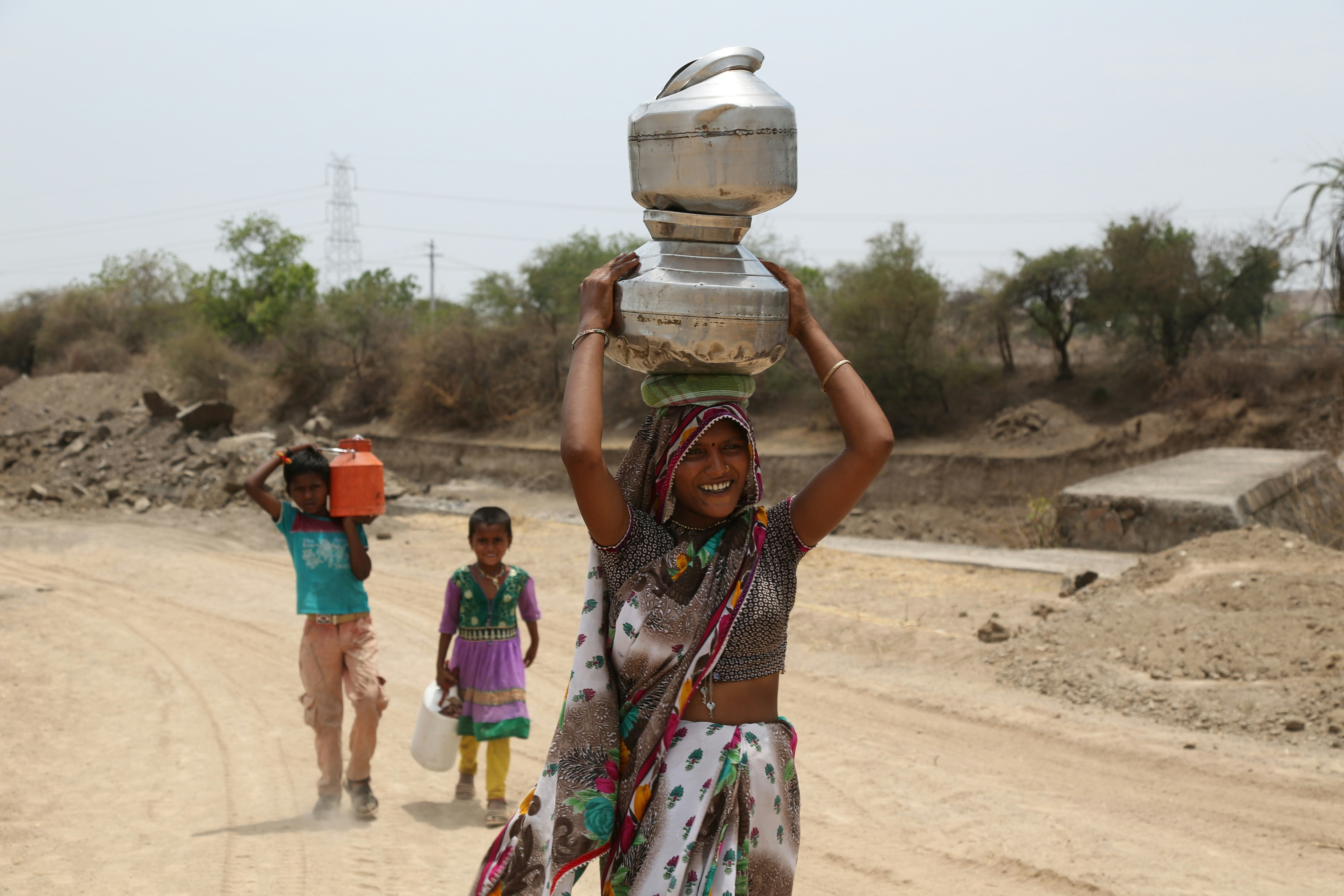
The world’s freshwater systems are buckling under pressure from climate change, pollution and over-extraction. Water demand is predicted to exceed supply by 40% within five years. Agriculture – which consumes 70% of freshwater withdrawals – is at particular risk, given food production must increase 60% by mid-century. The food-water nexus is now a critical imperative: humanity needs to rebalance its relationship with water.
The world’s freshwater systems are buckling under pressure from climate change, pollution and over-extraction. Water demand is predicted to exceed supply by 40% within five years. Agriculture – which consumes 70% of freshwater withdrawals – is at particular risk, given food production must increase 60% by mid-century. The food-water nexus is now a critical imperative: humanity needs to rebalance its relationship with water.
Innovation can turn constraints into catalysts. China sustains 20% of the global population with self-sufficient staple foods, despite having just 6% of the world’s freshwater and 9% of its arable land. Middle East countries account for 40% of global desalination output, with growing use of solar technologies.
This report proposes 12 high-impact innovations in technology and business models across agriculture and food, water and cross-sector technologies. However, transformation of food and water systems also requires collaborative, public-private approaches that bridge the disparate domains of policy, finance, skills training and grassroots implementation.
Further reading
All related content 

What is World Water Day?
World Water Day is held on 22 March every year. Learn why this day is so important and how this year's theme, Water and Gender, explores the relationship between water, women and equality.


From scarcity to solutions: How Asia and the Middle East are advancing food-water innovation
Emerging economies incur a disproportionate impact on food-water systems yet are proving innovation can turn constraints into catalysts to meet demands.


7 facts about the global water crisis and water resilience that COP29 leaders should know
A global water crisis caused by land use changes and climate change is affecting economies, societies and the planet. Here's how to build water resilience.