This global round-up brings you health stories from the past month.
Top stories: Infectious diseases expand into new regions of Europe; personalized mRNA vaccine shows promise for melanoma; US measles cases hit a 35-year high, and the latest health updates from around the world.
1. Infectious diseases are moving into new territory
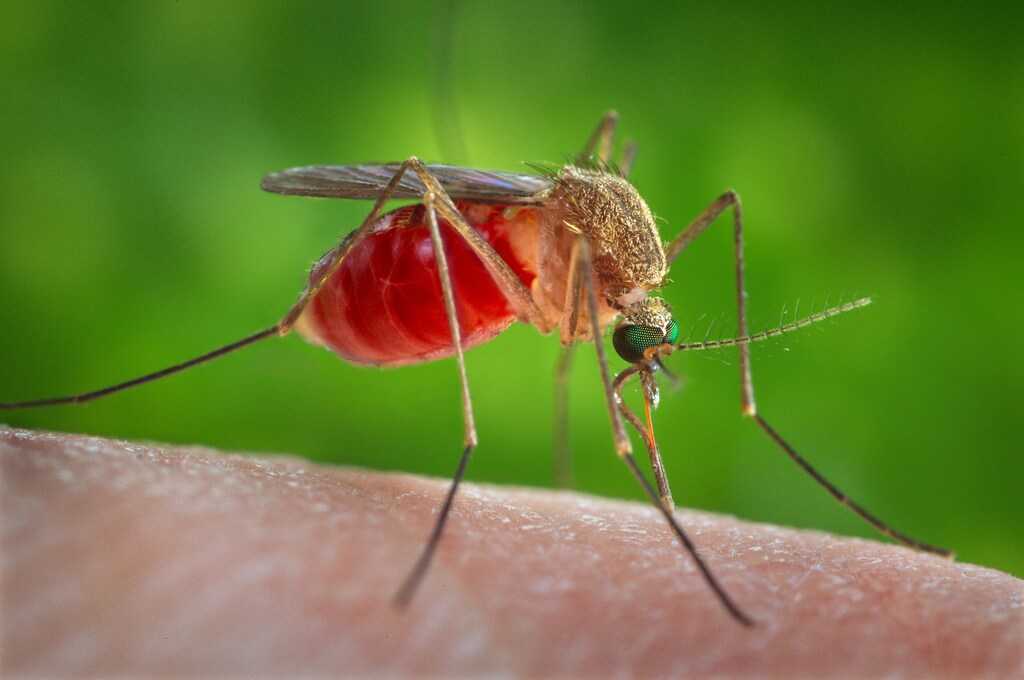
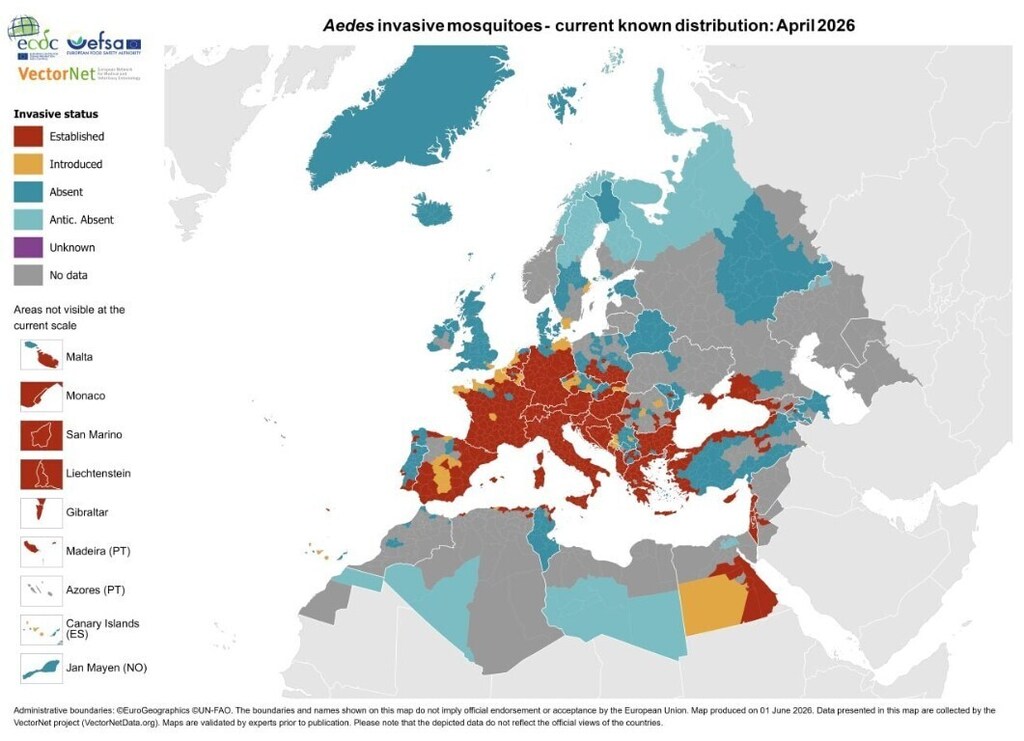
The map of infectious diseases is changing: rising temperatures are allowing ticks and mosquitoes to expand into new parts of Europe, increasing the risk of vector-borne infections such as chikungunya and tick-borne encephalitis (TBE).
TBE: Recent reports say TBE is moving beyond some of its traditional Central European strongholds, including further north into Germany and Scandinavia. Germany recorded 693 cases in 2025, its third-highest total since 2001. As of August 2026, 10 UK-acquired TBE cases have been reported.
Chikungunya: More than 219,000 cases worldwide have been reported by the European Centre for Disease Prevention and Control (ECDC) since the beginning of 2026, according to its August data. European researchers are increasingly concerned that Aedes mosquitoes are becoming established over a much wider geographical area.
West Nile virus: The ECDC has identified 99 affected areas across 12 countries during the 2026 transmission season, as of 21 August 2026. Greece has been particularly badly affected, while the Netherlands has recorded its first locally acquired infection since 2020.
Dengue: The same mosquito expansion is increasing the potential for locally transmitted dengue in Europe. France has reported four locally acquired cases this year.
These trends point to a widening window for transmission, with diseases appearing earlier, or establishing themselves in places where they were previously uncommon.
2. Personalized cancer vaccine offers new hope for melanoma
A personalized mRNA cancer vaccine has shown promising results in a large Phase 3 trial, reducing the risk of melanoma returning and spreading.
Developed by Moderna and Merck, the vaccine is tailored to mutations found in each patient’s tumour. It trains the immune system to recognize and attack cancer cells, and is given alongside immunotherapy treatment.
The findings, published in Nature, mark the first positive late-stage trial of a personalized mRNA cancer vaccine and could represent an important step towards more individualized cancer treatment, the researchers say. Five-year follow-up from an earlier Phase 2 trial found a 49% reduction in the risk of recurrence or death after five years.
In 2022, around 330,000 people worldwide were diagnosed with melanoma, and almost 60,000 died from the disease, according to the International Agency for Research on Cancer.
The results also raise hopes that similar approaches could be used against other cancers. The study notes that the melanoma trial is an important test of whether this approach can work beyond its experimental stage.
3. News in brief: Health stories from around the world
Breast cancer device shows promise: Ohio State University researchers have found that low-intensity electric fields could help slow the growth and spread of triple-negative breast cancer in preclinical studies. The drug-free wearable device also appeared to strengthen immune responses around tumours, although the technology is at an early stage and needs to be tested in clinical trials.
Ebola response tightened in DRC: The World Health Organization (WHO) has updated its recommendations for the Bundibugyo Ebola virus outbreak in the Democratic Republic of the Congo, rating the risk of transmission in the DRC as “very high” and the regional risk as “high”. While the guidance calls for stronger surveillance, contact tracing and infection control, the WHO is not recommending flight suspensions or blanket travel bans. There are currently no approved vaccines or therapeutics specifically for the Bundibugyo virus.
Africa plans to train three million more health workers: African countries have agreed on a new 10-year plan to train, employ and retain three million additional health professionals by 2035, as the continent faces a projected shortfall of more than six million workers. The plan also aims to address the mismatch between staff shortages and unemployment among trained professionals, as well as a new strategy focused on giving children the best possible start in life.
HRT linked to lower dementia risk: A UK study of more than 183,000 postmenopausal women found that HRT use was associated with a 10% lower risk of dementia. The association was stronger among women who had undergone surgical menopause, had lower lifetime oestrogen exposure or carried the APOE ε4 gene variant linked to increased dementia risk. Although more research is needed to confirm a causal link, the findings could help inform more personalized approaches to HRT prescribing.
US measles deaths reported as cases hit 35-year high: Two unvaccinated Pennsylvania residents have died from measles - the first US measles deaths of 2026 and the state’s first in 35 years. The deaths come as cases reach their highest level in more than three decades, with 2,777 confirmed cases nationwide as of 20 August, according to the Centers for Disease Control and Prevention.
Traditional Chinese exercises ease pain and improve function: An umbrella review of 1,744 randomized controlled trials found that practices like Tai Chi, Qigong and Baduanjin can improve physical function, pain, mental health, sleep and bone mineral density in people with musculoskeletal disorders. The strongest evidence was for benefits in conditions including knee osteoarthritis, neck pain, fibromyalgia and osteoporosis.
4. More on health from Forum Stories
Women’s health is a major frontier for innovation and investment. This Agenda Dialogues session below explores how closing evidence gaps, redesigning care and strengthening collaboration can turn unmet needs into scalable solutions – from cardiovascular health and menopause to cancer. Recorded at the Annual Health Roundtable 2026, the discussion asks who will lead the next wave of innovation in women’s health.
Could healthcare systems do more to ensure patients don’t fall through the gaps between diagnosis, treatment and follow-up? This Forum article explores why moving beyond pilots and isolated interventions towards joined-up care pathways is essential for improving health outcomes. From hypertension and cervical cancer to digital health and AI, learn more about what it takes to turn promising innovations into dependable, scalable care.
From 21–24 September, the Centre for Health and Healthcare will be in New York running its health programme at the Forum's Sustainable Development Impact Meetings, held on the sidelines of the UN General Assembly. Across a series of high-level roundtables, the Centre will convene leaders from government, industry, finance, international organizations, academia, philanthropy and civil society to shape practical, cross-sector solutions to some of the most pressing challenges in global health. Our focus will be on building health systems centred on prevention and better patient outcomes, harnessing AI to transform care and outbreak preparedness, and unlocking new financing for women's health and the fight against noncommunicable diseases.